

I have been working in brand building and brand communication for more than a decade, primarily in the food industry, but I have also had the opportunity to gain experience across many other sectors. Over the years, this has shown me just how multifaceted and complex this field really is. Experience has taught me that brand building is not merely a professional or strategic puzzle, but also a kind of open, experience driven way of thinking. Branding is a multidisciplinary activity that goes far beyond classic marketing competencies. Brand builders need confidence in several additional areas in order to create brands that are complex, effective, and truly relevant.
Creative thinking often does not come from professional textbooks, but from unexpected and inspiring situations. For this reason, a brand expert should approach the world with curiosity, be able to draw analogies, and recognize new connections.
During ideation and creative strategy development, the “flavors of life” often provide the strongest catalyst for an original brand strategy. In the following sections, I will explore in detail which fields of knowledge, mindsets, and soft skills help make the branding process truly complex, rich, and competitive.
1. Strategic Thinking and Systems Perspective
Branding is not about self-serving visuals or message creation. The key to success lies in the ability to interpret and organize all elements of a brand within a broader business context. Without strategic vision, no brand can be built to last. Without it, every idea is merely a matter of chance.
Strategic thinking is not an innate talent. It is a skill that can be learned, practiced, and consciously developed, especially in branding, where every decision has long term consequences. The goal is to handle brand related decisions not in isolation, but by understanding their interconnections and cause and effect relationships. This requires constant attention to the business environment, the overall company strategy, internal processes, and how these elements influence one another.
One of the most effective ways to deepen strategic thinking is by analyzing real or simulated problems.
It is worth studying both successful and failed brand development cases and drawing conclusions that can be applied to your own work.
Strategic thinking is like a muscle: the more often you use it, the stronger it becomes.
A brand builder who consciously develops this skill by asking questions, observing, synthesizing, anticipating, and reflecting will not only make better decisions in the long run, but will also be able to think in complex systems. This is what separates a reactive marketer from a true strategist.
2.Cultural and Social Awareness
A brand becomes truly relevant when it closely observes its market and adapts to social, cultural, and even political changes. This competence goes beyond classic marketing and requires constant attention to the world, including shifts in values and the evolution of public discourse. A brand is not just a passive presence, but a community builder, a conversation starter, and a carrier of values, a kind of social actor. When a brand responds sensitively to its cultural environment, for example by supporting social causes, reflecting on community issues, or offering local solutions, it builds relationships that are more authentic, more likable, and more durable with its target audiences.
Cultural intelligence helps us understand what lies behind consumer decisions and how value can be created in a constantly changing society.
Beyond understanding local market conditions, it is equally important for brand professionals to remain sensitive to global patterns and worldwide cultural dynamics.
3. Empathy: Deep Understanding of Consumer Motivations and Human Stories
Empathy plays a central role in brand building, as it enables a deep understanding of consumer motivations, behavioral patterns, and narratives. This goes far beyond collecting demographic data. It means being able to step into the shoes of the target audience and build brand strategies based on their real experiences and emotions. Truly authentic brands do not just explain who they speak to, they demonstrate that they genuinely understand their audience, for example by actively integrating consumer stories, archetypes, and community feedback. Alongside consumer insights, empirical experience gathering is becoming increasingly important. Live interviews, focus groups, and direct feedback provide depth and credibility. Without these, a brand narrative can easily become superficial, and consumers are far less likely to form a meaningful emotional connection.
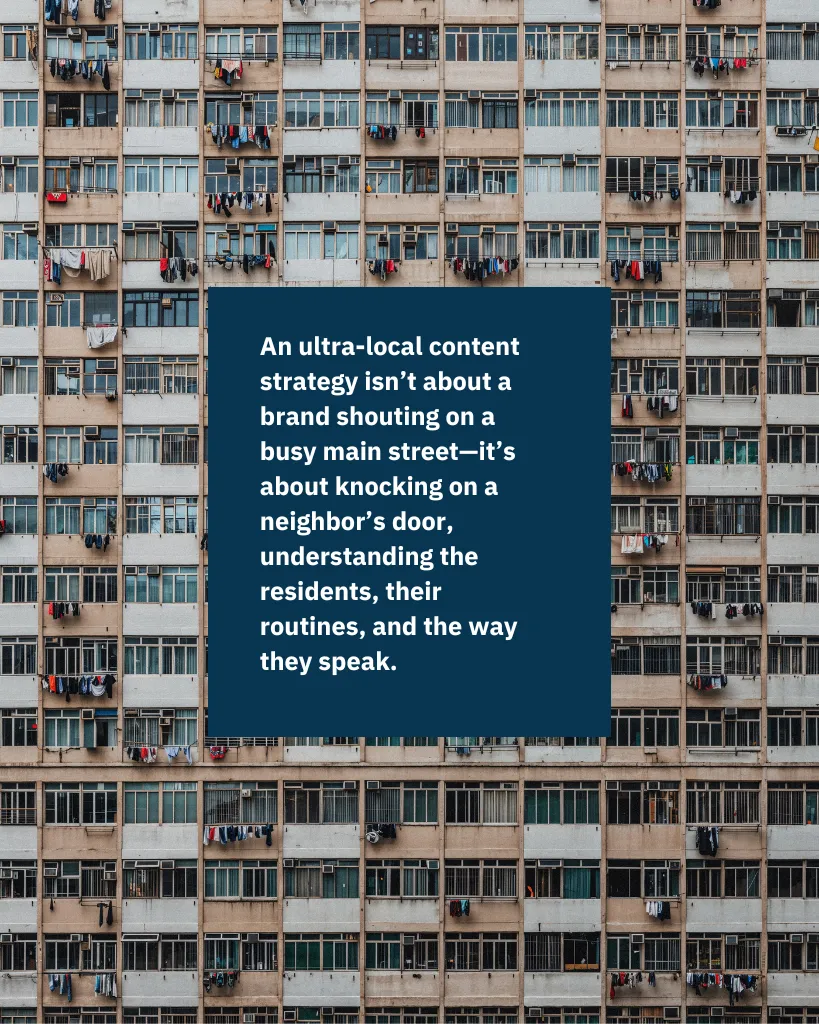
Empathy is not something we learn in professional workshops, but through everyday situations, attentive conversations, handling conflicts, or during a client meeting, for example. The more varied situations someone experiences, the more sensitive they become to different consumer archetypes and motivations.
From time to time, it is worth listening to the stories and thoughts of family members, friends, or even people working in completely different sectors. These often offer entirely new perspectives and sensitivities that can be integrated into brand communication or strategy.
True empathy is built day by day, through small, ordinary moments, and this is exactly the kind of sensitivity the market expects from us.
4. Recharging, ideaton, and mental freshness
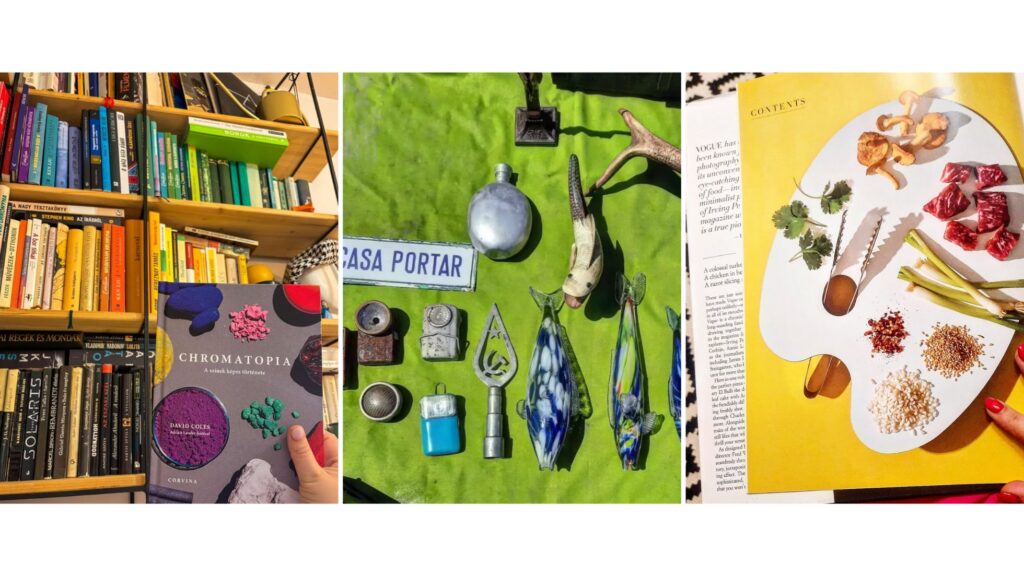
Anyone who wants to be consistently successful in branding must invest time and energy in gathering inspiration, recharging, and managing stress. It is important for brand professionals to build their own personal inspiration archive, whether that means a collection of visual references, quotes, or ideas drawn from artistic projects. Maintaining mental freshness is an essential part of this process, as it supports long term creativity and innovation.
The role of rest and detachment should not be underestimated either. Truly creative ideas often emerge not in front of a screen, but during quiet, reflective moments, such as while exercising, traveling, or reading. To preserve mental freshness, regular self reflection is also key. It is worth asking yourself from time to time what inspires you, what drains your energy, and which sources you can always return to during periods of creative block.
5. Literary Fiction
Reading literary fiction offers far more than simple relaxation. Literary works not only enrich vocabulary and expressive range, but also help us understand human motivations, conflicts, and relationship dynamics on a deeper level. Through these reading experiences, brand builders become more sensitive to the real stories, emotional needs, and cultural nuances present within their target audiences, which is essential for creating an authentic brand narrative.
Literature also introduces new perspectives, encourages shifts in mindset, and fosters self reflection in professional thinking. The characters, descriptions, and events found in novels and short stories provide a rich source of inspiration for storytelling, a skill every successful brand builder relies on. Experiences gained through reading help make brand communication more original, nuanced, and human centered, enabling stronger connections and longer lasting relationships with consumers.
Literary works often reveal subtle linguistic and emotional layers that classic business books or professional articles rarely convey.
Both classic and contemporary literature offer valuable examples of character development, mood creation, and atmosphere building. They inspire us in how to tell stories through words, images, and emotions in ways that allow consumers to recognize themselves. This narrative depth and emotional atmosphere are among the strongest forces binding brands to their audiences.
6. Daily, Conscious Cultivation of Visual Culture
Browsing images, graphics, design solutions, or works of art develops creative vision and aesthetic sensitivity in much the same way that reading enhances vocabulary and expression. Constant visual stimuli help uncover new ideas, gather inspiration, and enable brand professionals to develop fresher and more original visual strategies. This daily “visual reading” also supports the growth of visual thinking, associative skills, and a distinctive sense of style.
Visual inspiration provides a strong foundation not only for creative work, but also for problem solving.
The more visual worlds, graphic solutions, and styles we explore, the easier it becomes to step outside habitual thinking patterns and apply fresh, unexpected approaches to brand building.
While browsing visual content, it is worth paying conscious attention to small details, compositions, color palettes, gestures, and atmosphere. These are all tools that can later be drawn upon when designing a brand’s visual identity. Quite often, a powerful photograph, a well crafted graphic, or a distinctive design solution becomes the starting point for an entire campaign or a visual rebrand.
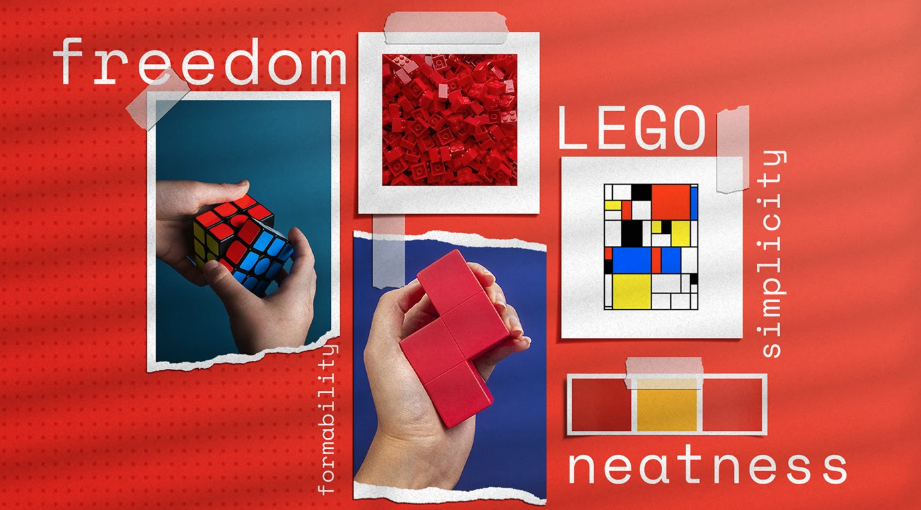
Likewise, if we regularly archive visual stimuli that resonate with us, whether through a moodboard, an online gallery, or a personal photo collection, they can later serve as valuable sources of inspiration during creative blocks.
Over time, visual stimuli shape our professional taste, support the development of visual storytelling tools, and contribute to creating brand identities that are truly timeless, relatable, and distinctive.
7. Theatrical Paradigms in Branding
Theatre represents a true intersection of art, shared experience, and modern brand communication. It is not only a source of inspiration for brand builders, but also a living laboratory for understanding how to tell stories, evoke emotions, and create lasting experiences.
Theatre offers exactly what today’s advertising world often lacks: unforgettable collective experiences, honest stories, personal resonance, and genuine connection. The authenticity and depth of art can serve as an important guide in an increasingly algorithm driven, artificial world.
In my view, theatre is not merely a cultural experience, but also a strategic lesson.
Finally, I would like to emphasize that everything I have shared is rooted in personal experiences, inspirations, and my own professional journey. What constitutes an idea bank, a source of inspiration, or creative energy is different for everyone. There is no universal formula, only individual maps that are constantly evolving. What matters is having the courage to stay open, to keep exploring and experimenting, and to give ourselves the time to absorb new impulses.
Today, this is no longer an optional source of inspiration, but a fundamental condition for building relevant and enduring brands.

